Cartier-Bresson’s advice on young Sam Tata
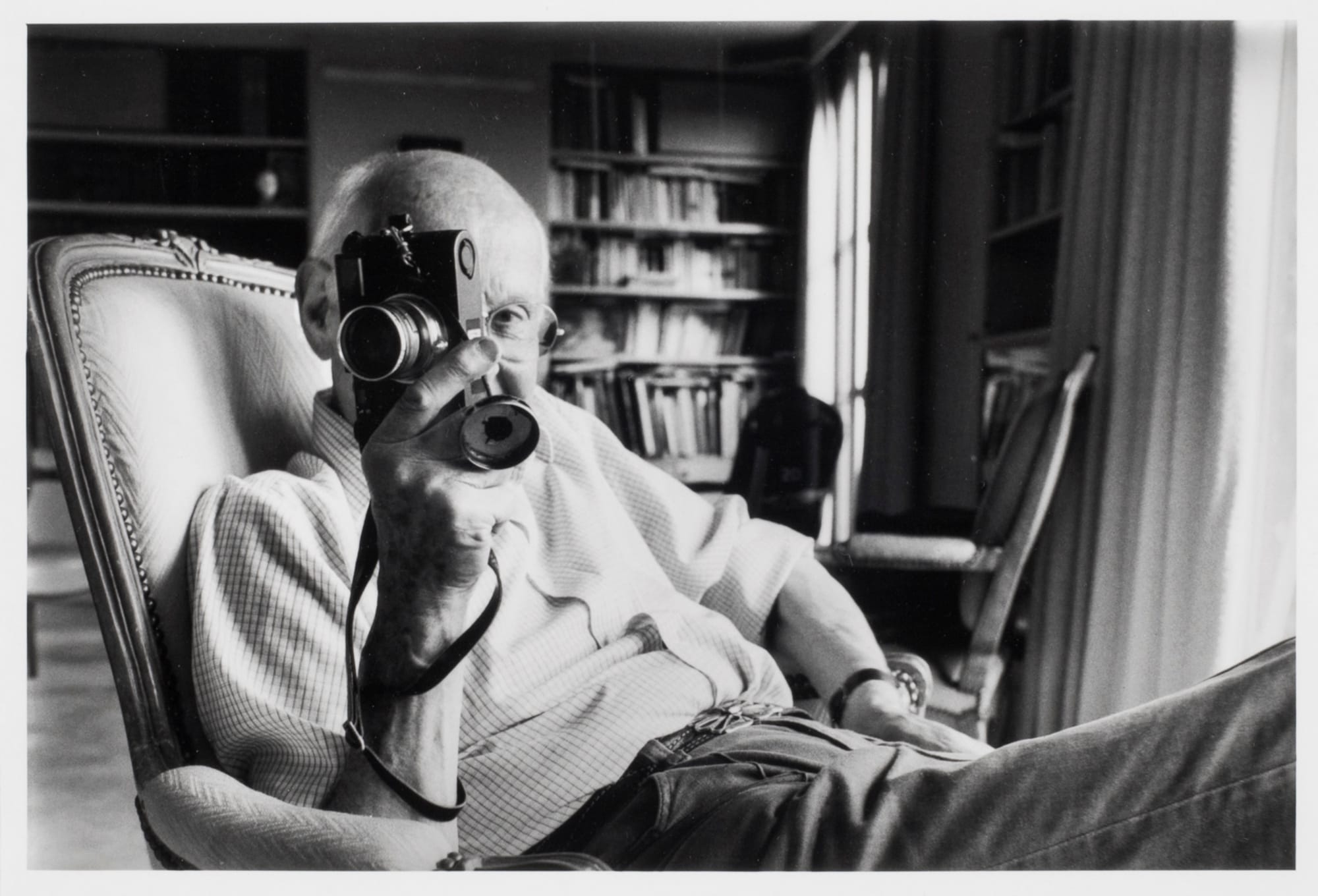
I recently came across the work and story of Sam Tata, a Chinese-born Indian photographer and photojournalist.
He is not a name that appears often in today’s photography world, yet his life quietly intersects with someone who shaped the way many of us understand photography.
Sam Tata was born in Shanghai in 1911. He picked up photography after completing his studies in the University of Hong Kong in late 1930s. He moved to India in the 1940s.
Sam Tata met Henri Cartier-Bresson in Bombay (Mumbai) in 1948. A year later, when Cartier-Bresson traveled to China, he stayed at Tata’s home for five months. The year of 1949 was a milestone for China, Mao zedong declared the new China while the Kuomingtang left for Taiwan.
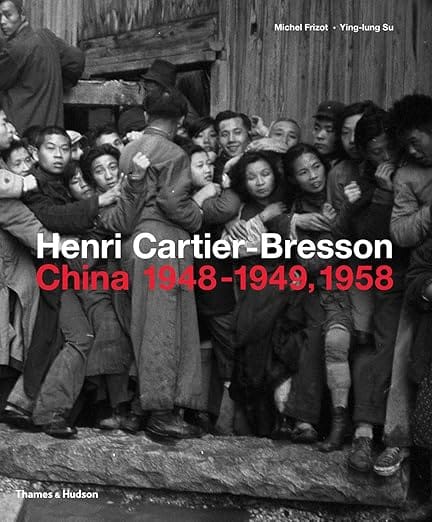
Here’s a photobook, Henri Cartier-Bresson in China: 1948-1949/1958, especially the photographed Beijing, the last days of the Kuomingtang. If you are interested in the old China before 1949, I recommend it.
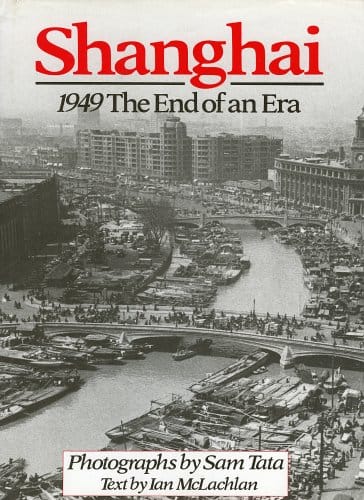
I've also read Sam Tata’s photography book, Shanghai 1949, showing me what Shanghai street looked like in 1949.
Cariter-Bresson advised the young Sam how to take street photography:
After reading this, I realized how many photographs I’ve taken were only the environment where no one was present.
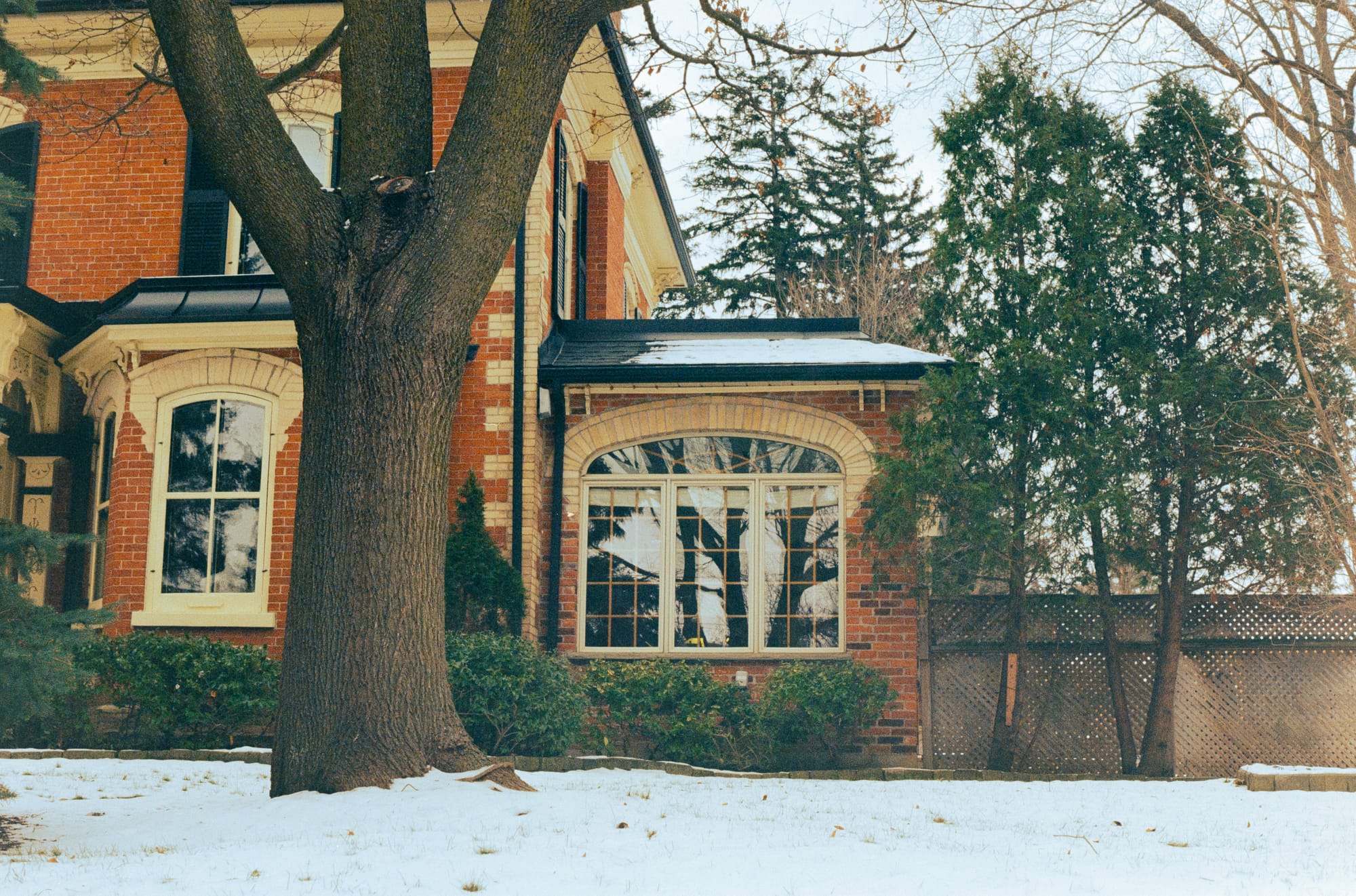
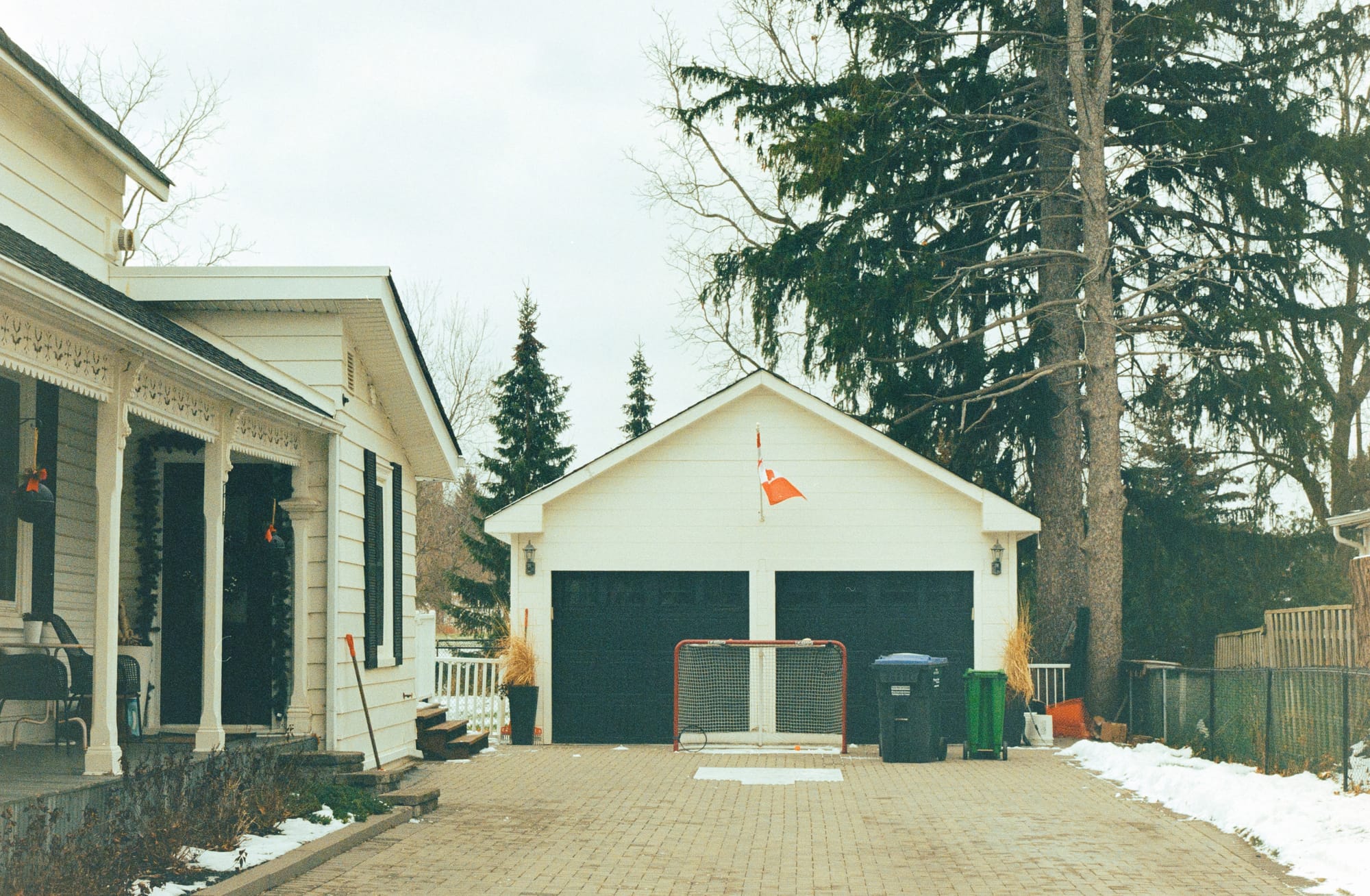
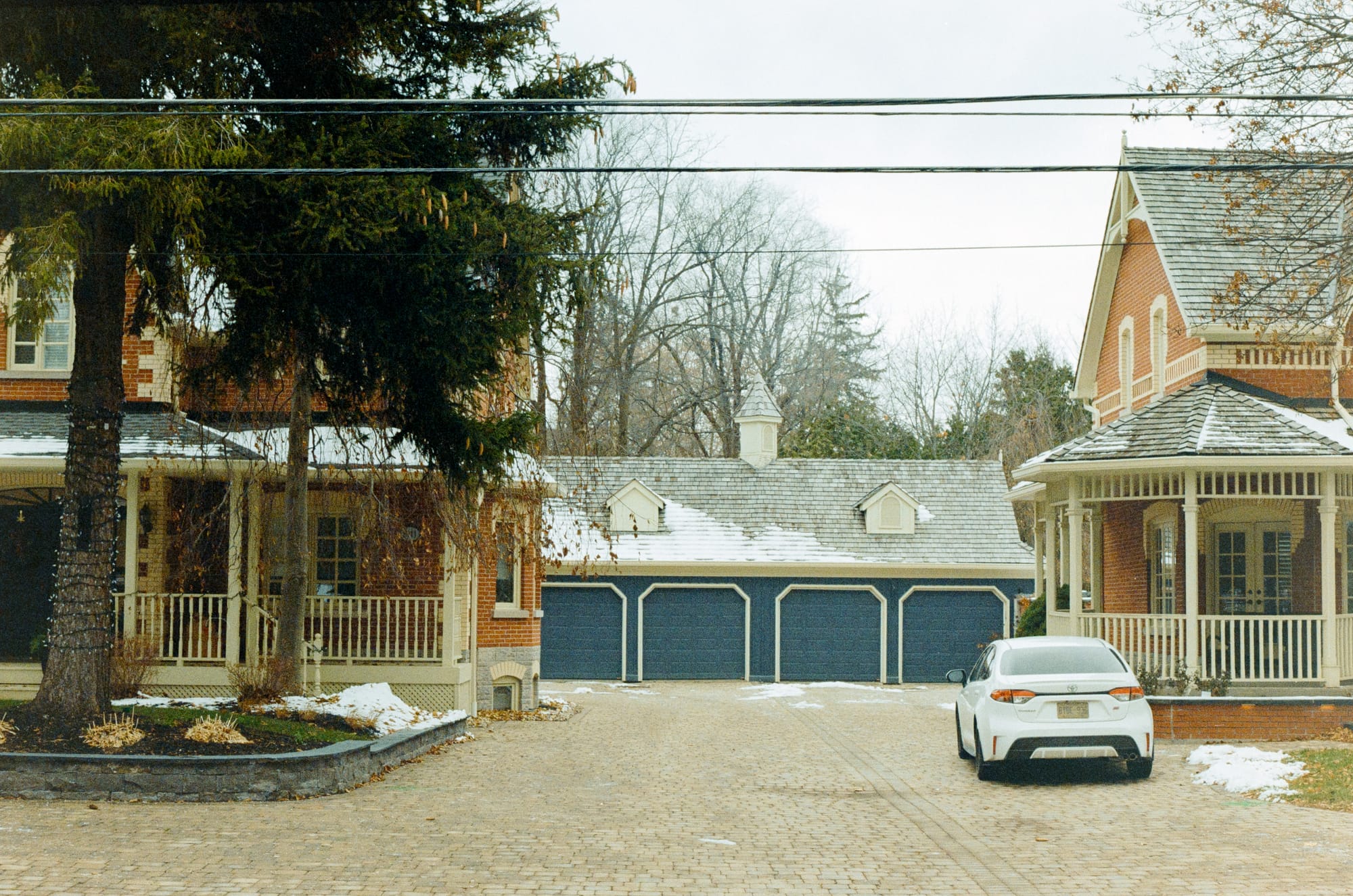
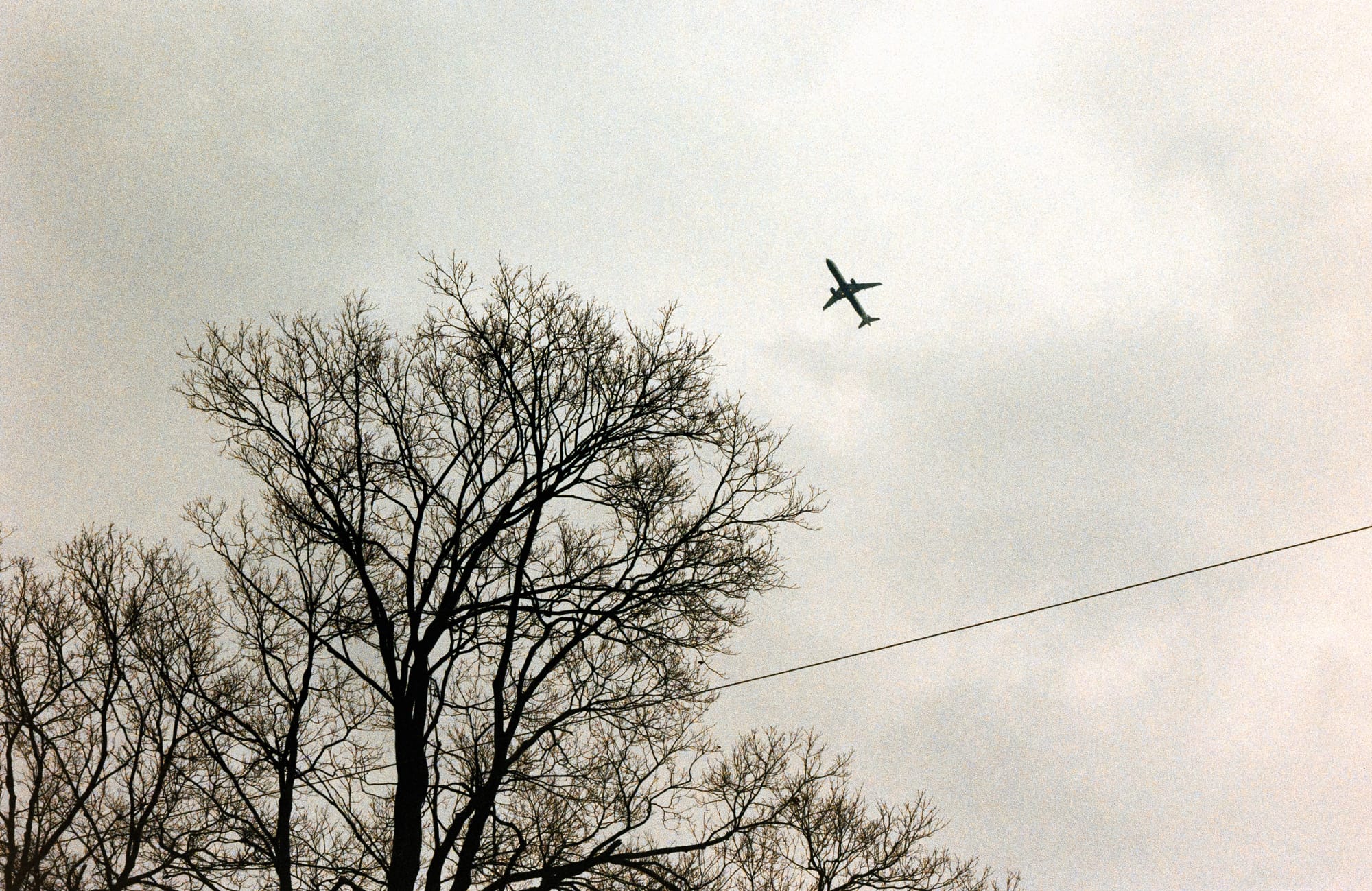
Above photos are from my solo hike in the Meadowvale conservation area, Mississauga.
I realize even without people I did train my eye to compose, learn to frame, and be sensitive to aesthetics.
However, Cartier-Bresson’s advice stayed with me, not because it seemed like a rule, but because it exposed a gap in my own practice. His words reminds me that I should be more patient to wait until people enter my frame rather than distracts from it.
With Bresson’s advice, I will consciously integrate people with the environment more often on the street next time.
References
Interview with Sam Tata by John K. Grande: July 18th, 1988, Montreal, Canada